Protect OHIO Town Halls Build Connections Across Ohio Communities
Originally Published
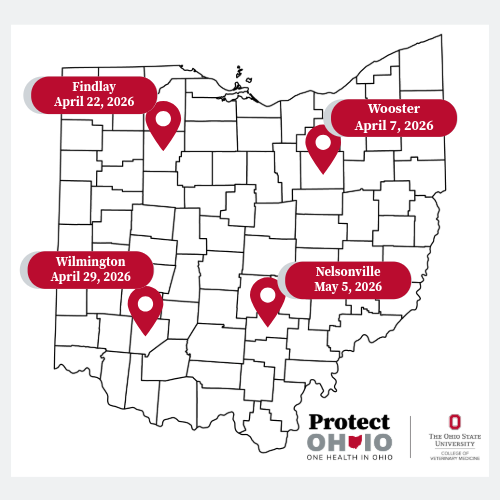
This spring, The Ohio State University College of Veterinary Medicine traveled across the state to connect the Protect One Health in Ohio (Protect OHIO) initiative with nearly 150 students, educators, veterinarians, producers and community members through a series of regional town halls focused on addressing the shortage of veterinarians in rural Ohio.
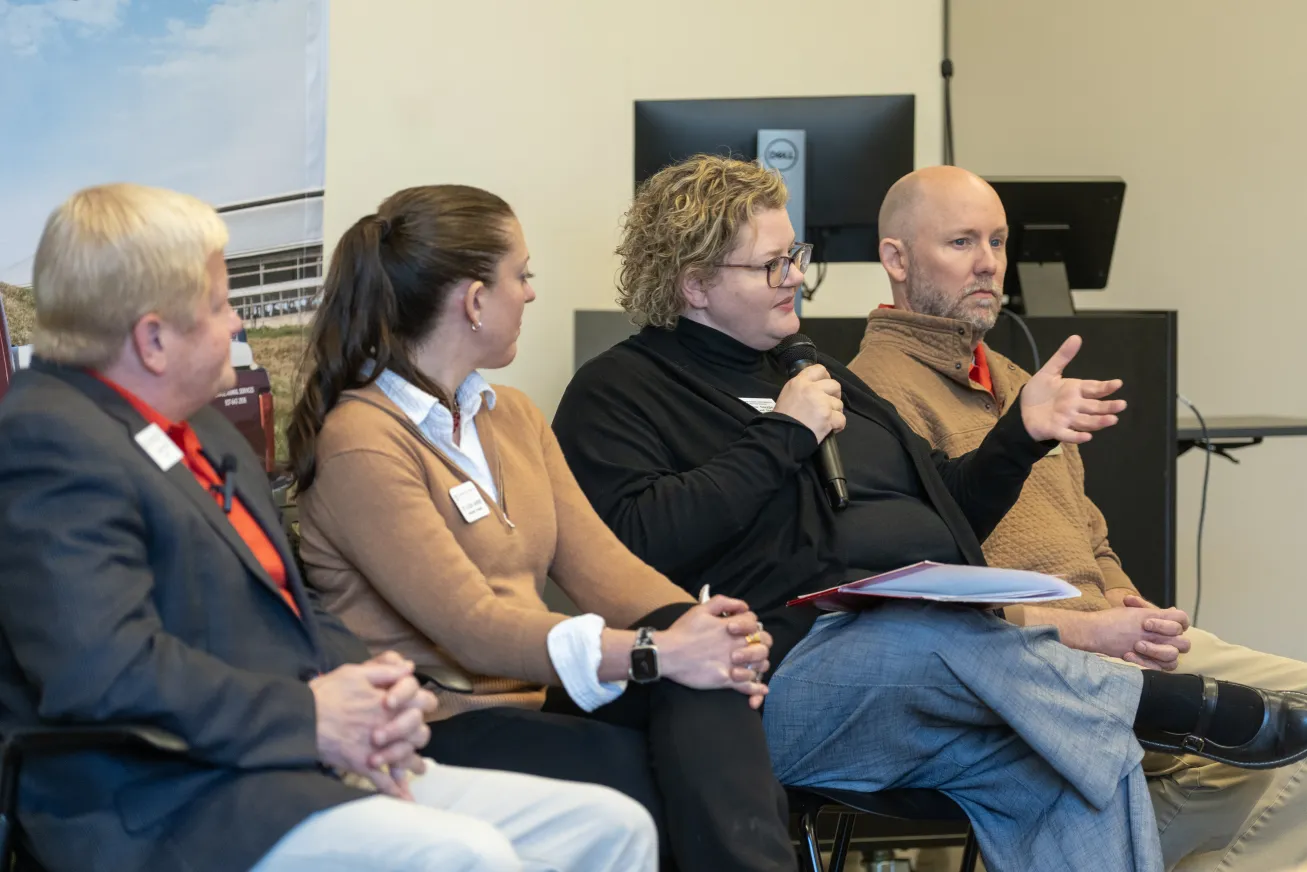
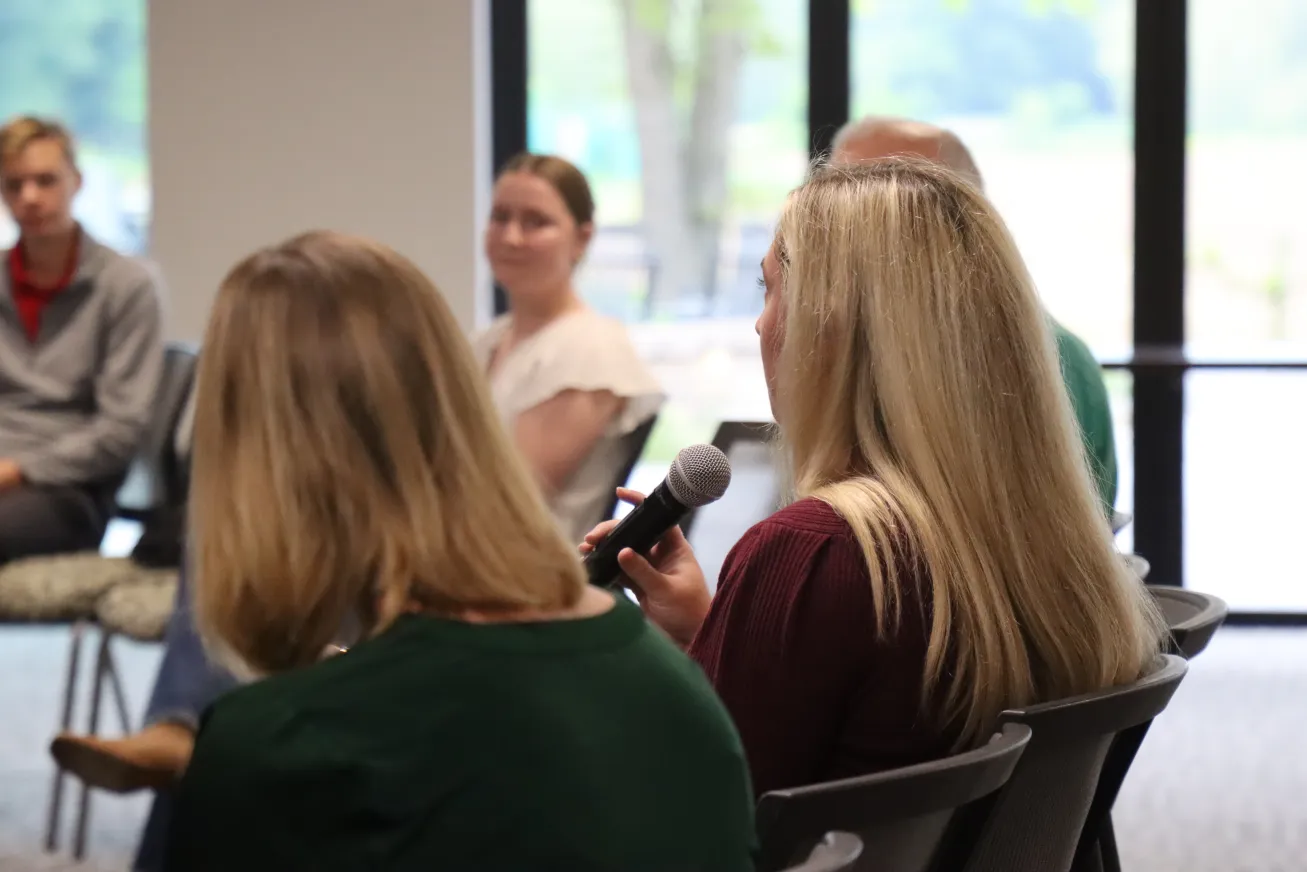
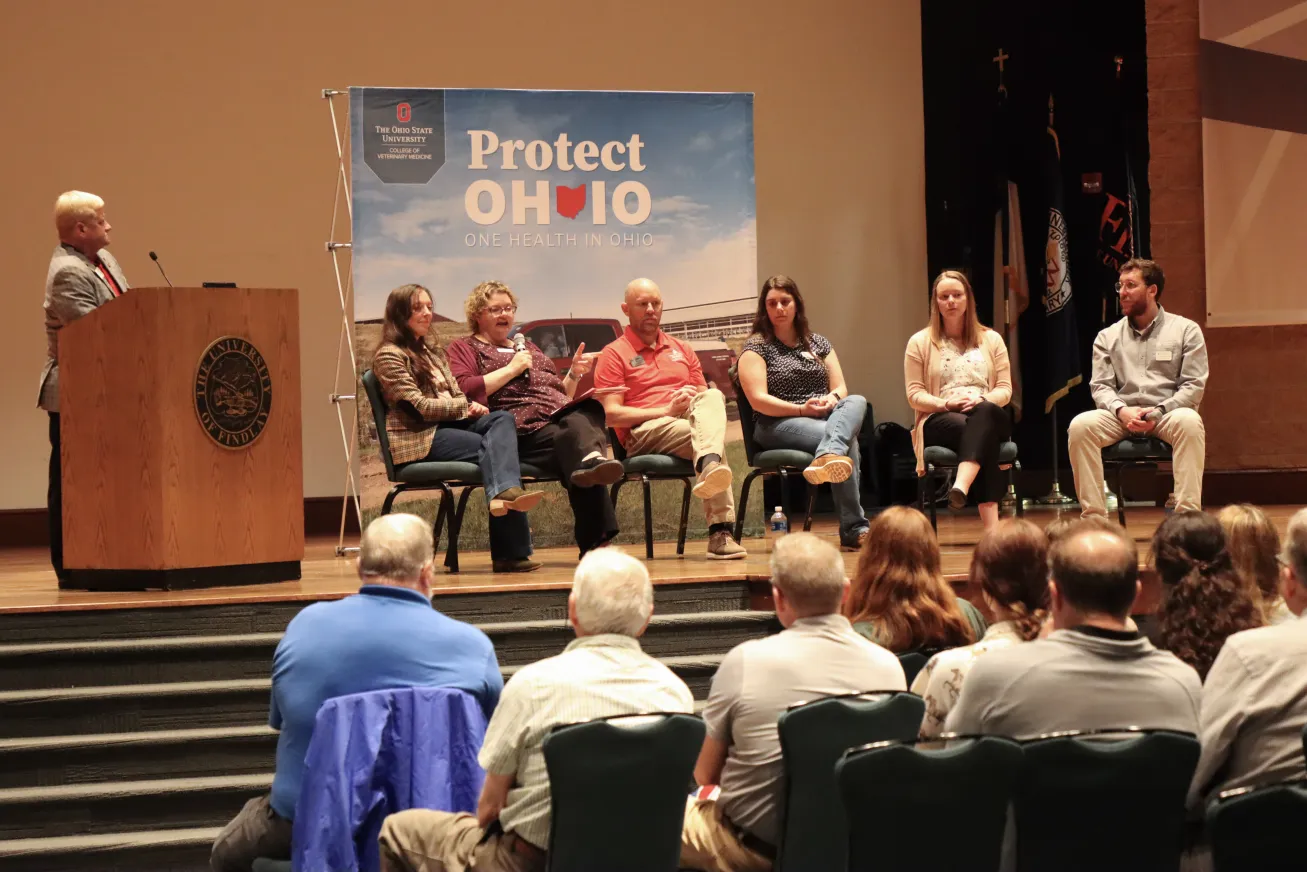
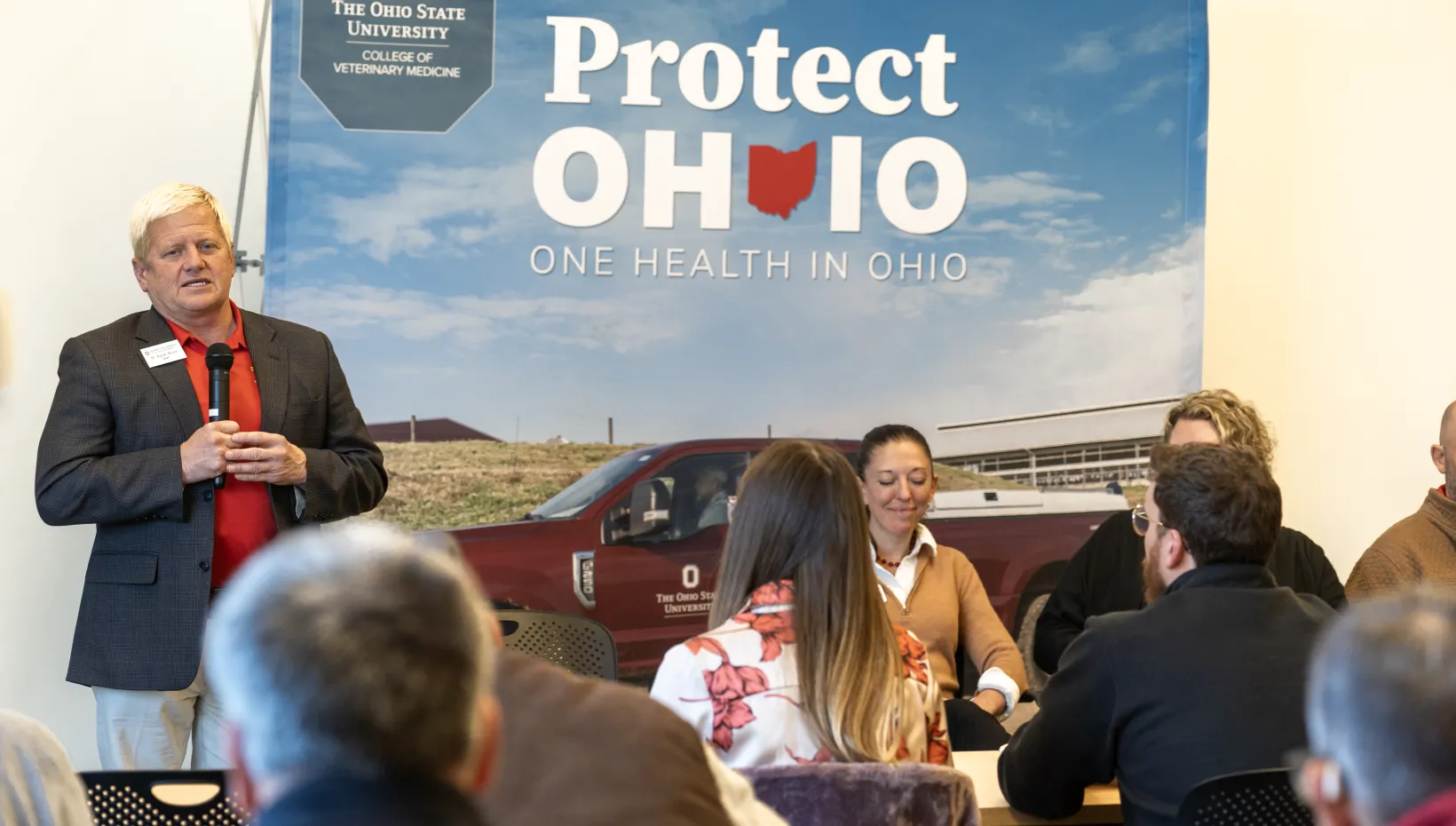
Each event featured progress updates from college leadership, including Rustin Moore, DVM, PhD, DAVCS, Rita Jean Wolfe Endowed Dean, alongside Protect OHIO goal area leaders and current students enrolled in Ohio State's College of Veterinary Medicine's DVM program. Through student perspectives and open Q&A sessions, attendees asked thoughtful questions and shared insights that will help guide ongoing efforts to strengthen Ohio’s veterinary workforce.
From Wooster and Findlay to Wilmington and Nelsonville, each stop highlighted a shared commitment to collaboration, education and preparing the next generation of veterinarians to serve Ohio’s rural and large animal needs.
Building Connections
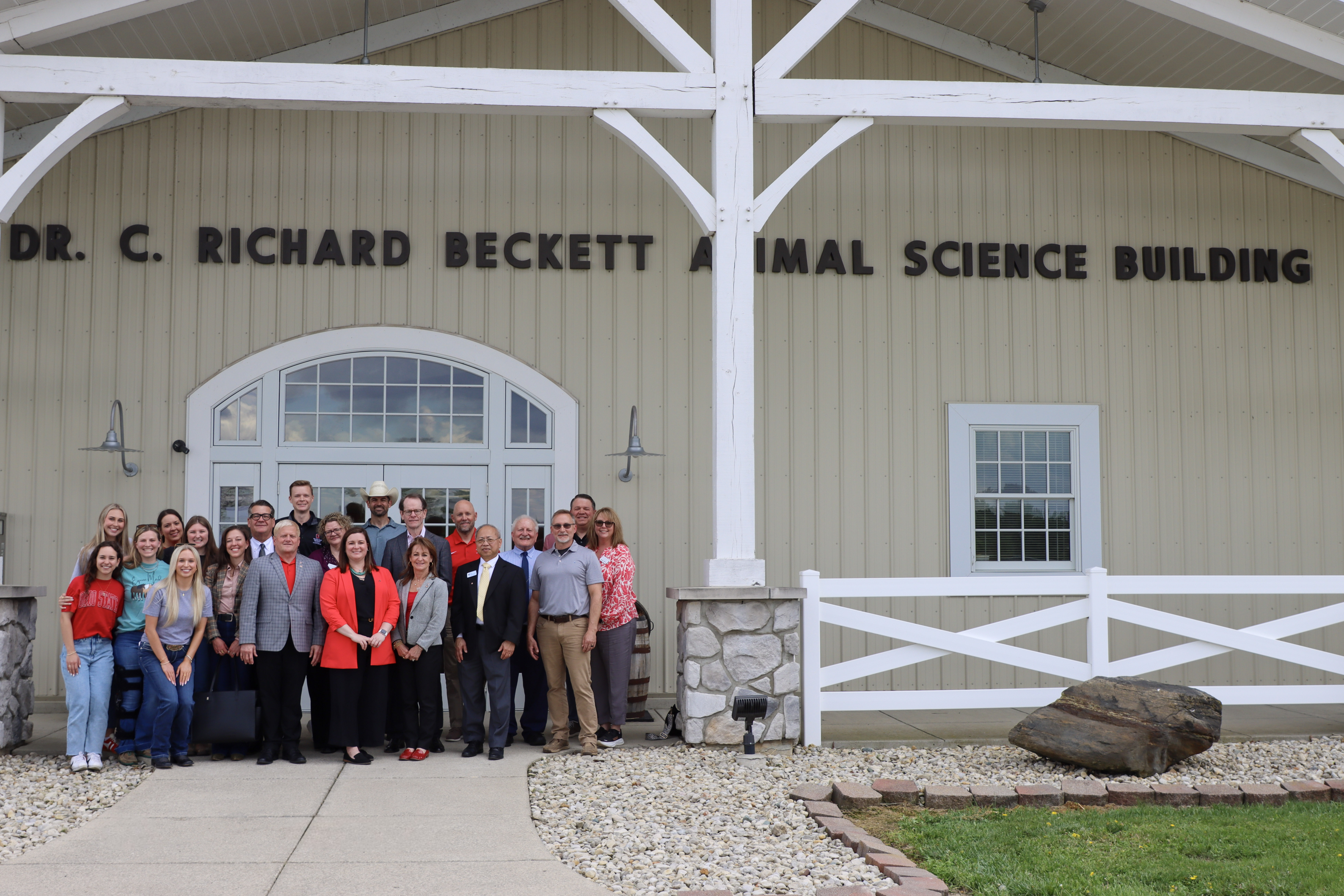
Each community visit was centered around a Protect OHIO town hall, with additional time spent connecting with local stakeholders including county commissioners, mayors, Rotary clubs and local foundations. These conversations helped increase awareness of Protect OHIO while also providing an opportunity to listen and learn from local leaders about regional needs, workforce challenges and opportunities for collaboration.
Outreach efforts extended across a wide range of audiences, including high schools and career-technology schools, producers, farmers, alumni, referring veterinarians, Extension professionals and legislative leaders. These engagements helped build a broader understanding of veterinary workforce challenges while strengthening relationships across Ohio’s communities.
Several town halls were hosted on college campuses with strong pre-veterinary programs, allowing for deeper engagement with faculty and students. At Ohio State ATI in Wooster, these connections reflect a pipeline of students continuing their veterinary education at the Columbus campus, while relationships with institutions like the University of Findlay and Wilmington College continue to expand access and support students pursuing careers in rural and large animal veterinary medicine.
Building on these campus engagements, visits across Wooster/ATI, the University of Findlay and Wilmington College included facility and agricultural farm tours and meetings with administration and faculty. Panels with pre-veterinary student clubs and interactive sessions provided opportunities for students to engage directly with the college’s admissions team and learn more about admissions, hands-on training and career pathways in veterinary medicine. Together, these connections reflect a shared commitment to strengthening Ohio’s veterinary workforce, evident across each town hall.
Insights from the Town Halls
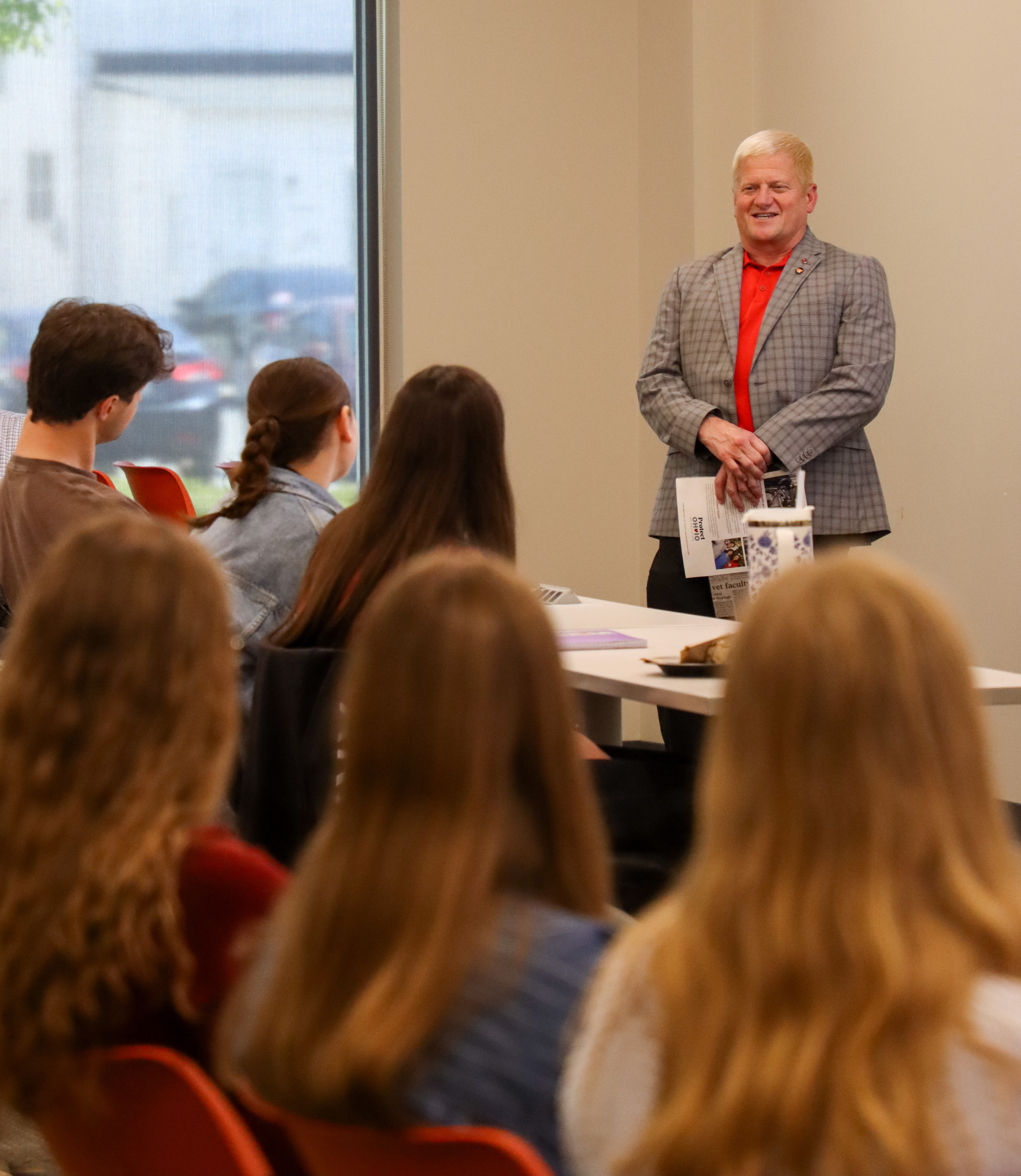
The Protect OHIO Town Halls created welcoming spaces for connection. Attendees heard directly from Moore and Protect OHIO leaders about efforts to address the veterinary shortage in rural communities and how the initiative safeguards Ohio’s agricultural economy.
Attendees represented a wide range of Ohioans, including producers, farmers, veterinarians, alumni, prospective students, OSU Extension professionals and local and state leaders. Their perspectives highlighted both the immediate workforce challenges and the long-term opportunities facing rural veterinary medicine.
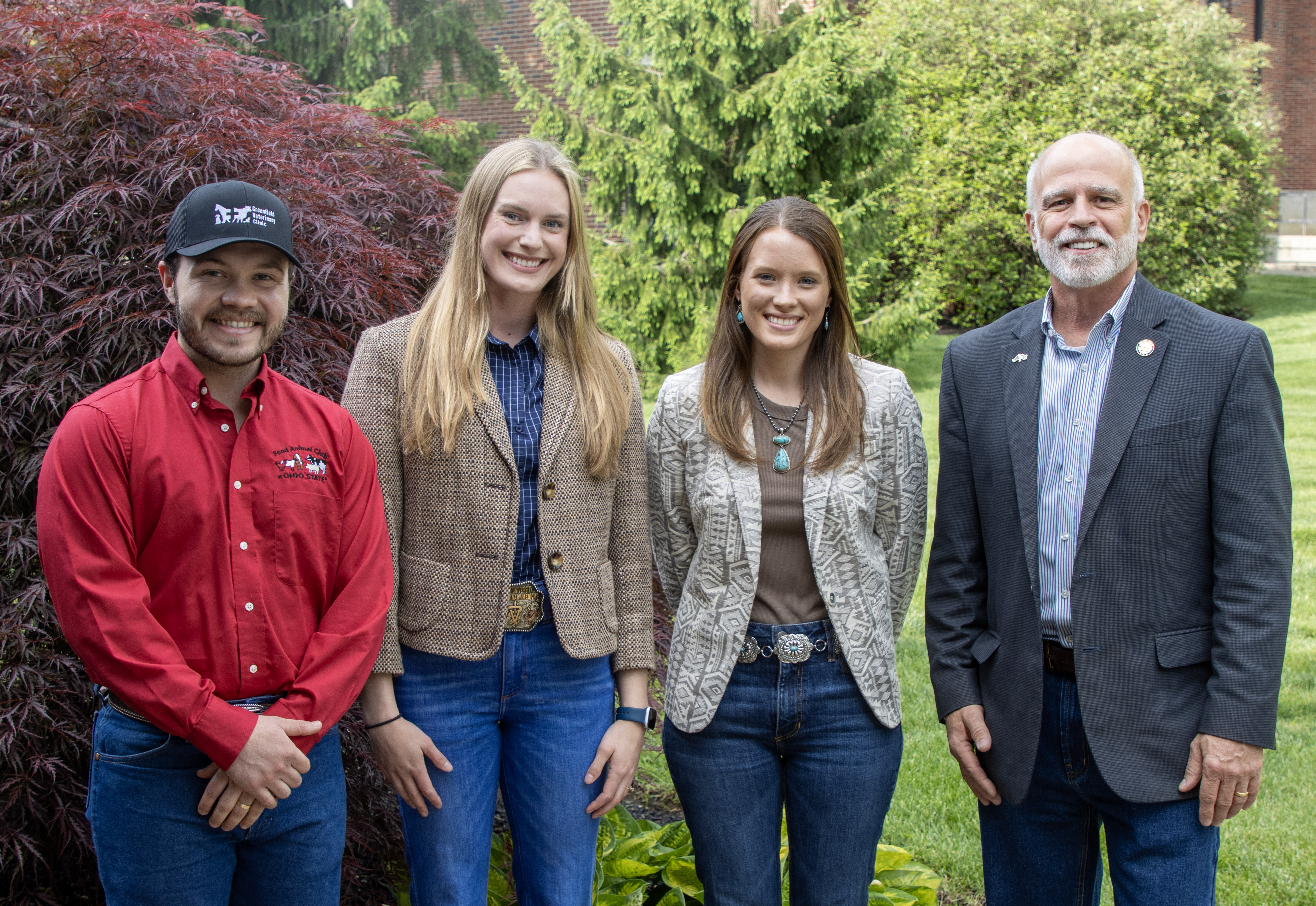
The town hall discussions also featured Protect OHIO scholarship recipients enrolled in our DVM program, who shared firsthand experiences and offered insight into coursework, clinical training and their plans to serve rural communities after graduation.
Across all four events, several common questions emerged, including:
- What does the admissions process look like, especially for students from rural or farm backgrounds?
- How is the veterinary curriculum structured and how much hands-on experience do students receive?
- Is business and practice management training included in the veterinary program?
These questions represent just a few of the topics discussed during the town halls. To learn more and explore additional information, visit the Protect OHIO Frequently Asked Questions page for details on admissions, enrollment, curriculum, student support and much more.
Looking Ahead
The insights, questions and connections built at each stop will continue to inform and strengthen Protect OHIO’s efforts to address the state’s veterinary workforce needs.
While this series of town halls has come to a close, the relationships formed with students, educators and community leaders will remain an important part of advancing Protect OHIO’s mission and supporting the future of veterinary medicine across Ohio.