Alumni in Veterinary Public Health
Article by: Lisa Lopez Snyder
Originally Published
Kathryn Campitelli U.S. Department of Agriculture
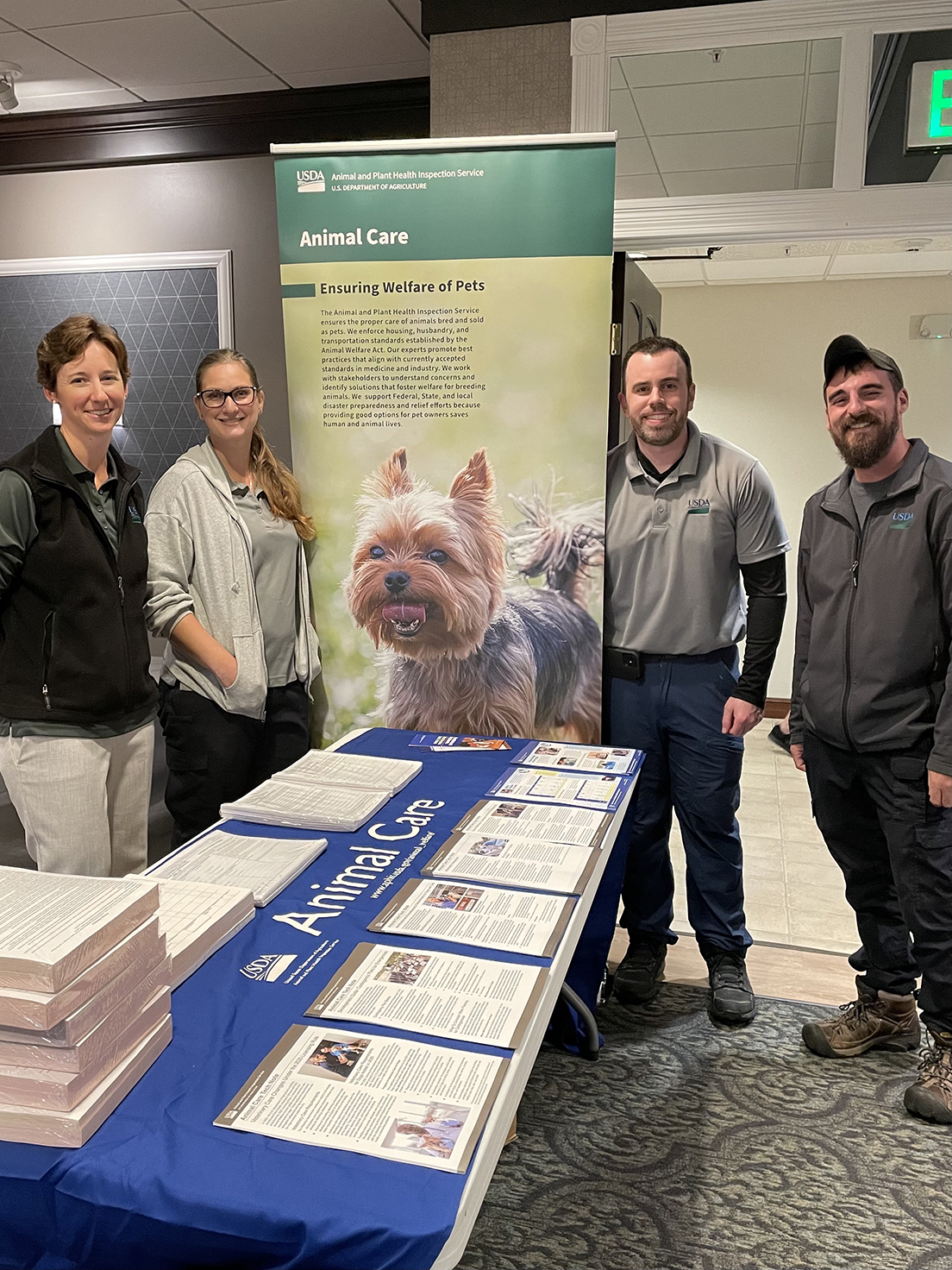
As a companion mammal field specialist with the U.S. Department of Agriculture’s Animal and Plant Health Inspection Service (USDA APHIS), Kathryn Campitelli, DVM ’12, MPH ’10, works with dog breeders to improve animal welfare and responds to complaints against licensed facilities.
She also helps troubleshoot cases and, when necessary, recommends follow-up actions, including regulatory action. She consults on housing standards and recently led a 16-hour training program for more than 70 APHIS inspectors to refresh their skills in conducting detailed inspections at licensed dog breeder facilities.
Campitelli said she hadn’t imagined such an opportunity in animal welfare existed when she began her DVM training at Ohio State. During her fourth year, she spent three months as an intern at various USDA APHIS facilities. Post-graduation, she worked in clinical practice as an associate veterinarian for two years before applying for a position at APHIS.
Campitelli said she uses public health principles learned in the MPH-VPH program to assess animal health and well-being, promote positive behavior among caretakers, and evaluate programs designed to improve welfare.
“I try to come up with solutions for how they can make the best improvements to their breeding dogs’ welfare,” she said. “I also consult internally with our inspectors, who visit and evaluate facilities regulated under the Animal Welfare Act. If an animal is suffering from poor conditions, we look at everything—environment, caretakers, health or behavior impacts—to find solutions.”
These efforts clearly link to the One Health concept, as they concern animal welfare, Campitelli added.
Ross Coniglio U.S. Army
A colonel in the U.S. Army Veterinary Corps, Ross Coniglio DVM, MPH ’17, DACVPM, began his path to a veterinary public health residency a few years after completing his DVM at the University of California, Davis. Initially focused on small-animal medicine, he discovered his passion for population health and preventive medicine.
After two years in general practice and two years with the USDA Food Safety Inspection Service, Coniglio joined the Army, where he cared for military working dogs and oversaw food protection. Seeking specialty training, he connected with Hoet and enrolled in the MPH-VPH program.
“The program was this perfect blend of where I wanted to go, utilizing the One Health principles to really benefit society. Ohio State was the perfect path to get there,” Coniglio said.
After graduation, Coniglio returned to the Army as a diplomate of the ACVPM, focusing on food protection for U.S. military personnel in Africa and applying knowledge gained from infectious disease epidemiology classes.
He credits the program with providing him with a robust scientific foundation and principles for managing large-scale public health programs. Today, he serves as a veterinary preventive medicine deputy consultant for the U.S. Army Surgeon General.
Sara Sklenka U.S. Food and Drug Administration
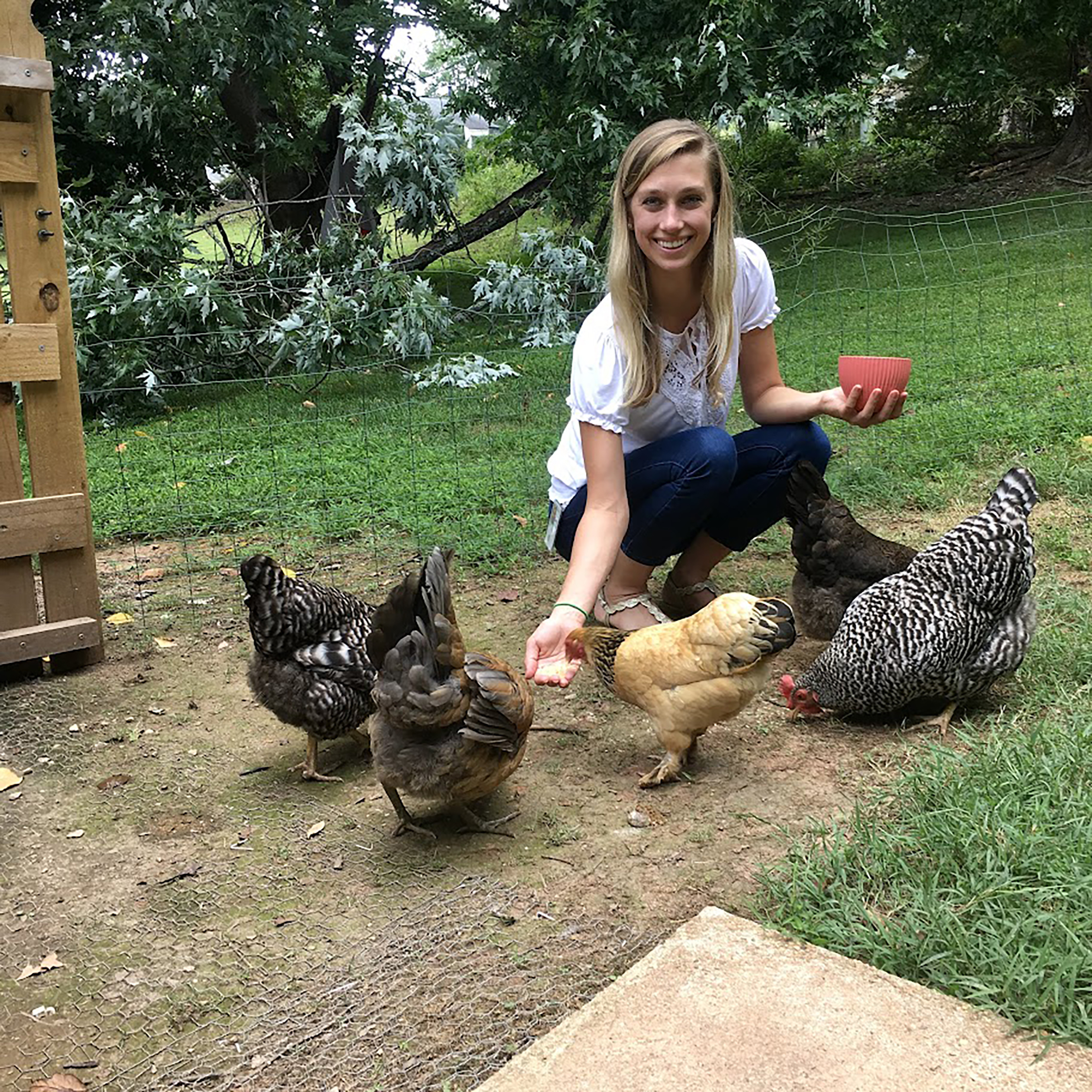
Sara Sklenka, MPH ’13, chose the MPH-VPH program because it allowed her to work in animal health without a DVM and exposed her to professionals from diverse backgrounds.
“Some people had already gone to veterinary school, some worked in small-animal medicine, and then there were people like me who were figuring out what to do next,” she said.
Her practicum was an internship at the FDA Center for Veterinary Medicine, and she joined the agency after graduating in 2013. She began as a bench chemist, developing methods to detect veterinary drug residues in meat and seafood, and later managed a program that licensed animal feed mills to use certain medications.
Today, Sklenka is a consumer safety officer, working with toxicologists, veterinarians, and microbiologists to ensure the safety of animal food.
“Our team monitors for contaminants in animal food—pet food, livestock feed, wildlife diets, zoo animal diets—you name it,” she said. “We look for microbiological contaminants like Salmonella and E. coli, chemical contaminants such as pesticides, and physical hazards like metals or plastic pieces. No day looks the same, but I like the variety.”
Emily Feyes The Ohio State University College of Veterinary Medicine
Emily Feyes, DVM ’09, MPH ’19, DACVPM, spent seven years in companion-animal practice before pursuing a veterinary public health residency. “I was passionate about helping clients understand the importance of vaccination and parasite prevention to protect themselves and their families, not just their pets,” she said. “I started to think about what I saw for my career, and I realized that I was ready for a transition.”
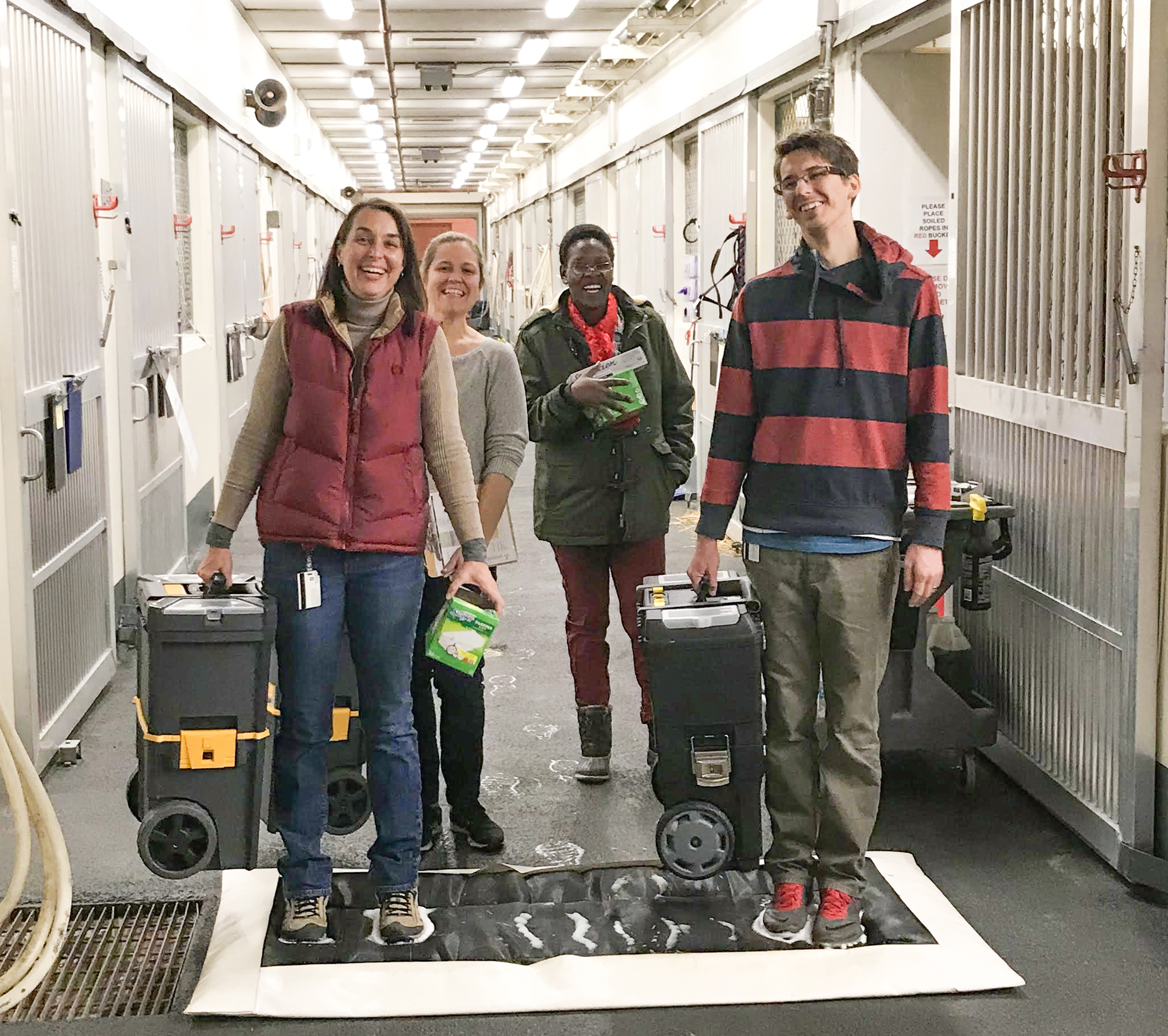
While completing her residency, Feyes joined the Veterinary Medical Center’s Antimicrobial Stewardship Team, collaborating with veterinary and human health professionals to promote judicious antimicrobial use in the veterinary curriculum. She helped launch the Antimicrobial Stewardship Program, collecting and analyzing data to improve prescribing practices and cleaning and disinfecting protocols. She went on to become the program director after graduating in 2019.
Today, she is the director of the Veterinary Clinical and Professional Skills Program at Ohio State’s College of Veterinary Medicine, where she helped develop a biosecurity and infection control lab and teaches as a lab leader. She also serves on several committees, including the Council for Professional Education, where she works with Marysville and the Farm Animal Medicine Service faculty to incorporate more large-animal skills into the student experience.
“We’re promoting our large-animal program. In light of Protect OHIO, we must increase the number of veterinarians in rural communities. Veterinarians play a key role in food protection, and we need to build up a workforce that can support these communities where a lot of our food supply comes from.”
The significance of the MPH-VPH program underlies all these efforts, she said. “It all underscores the concept of One Health—that humans, animals and the environment are intertwined—and that veterinarians can take on roles beyond clinical medicine to advance One Health.”
Pallavi Oruganti Centers for Disease control and prevention
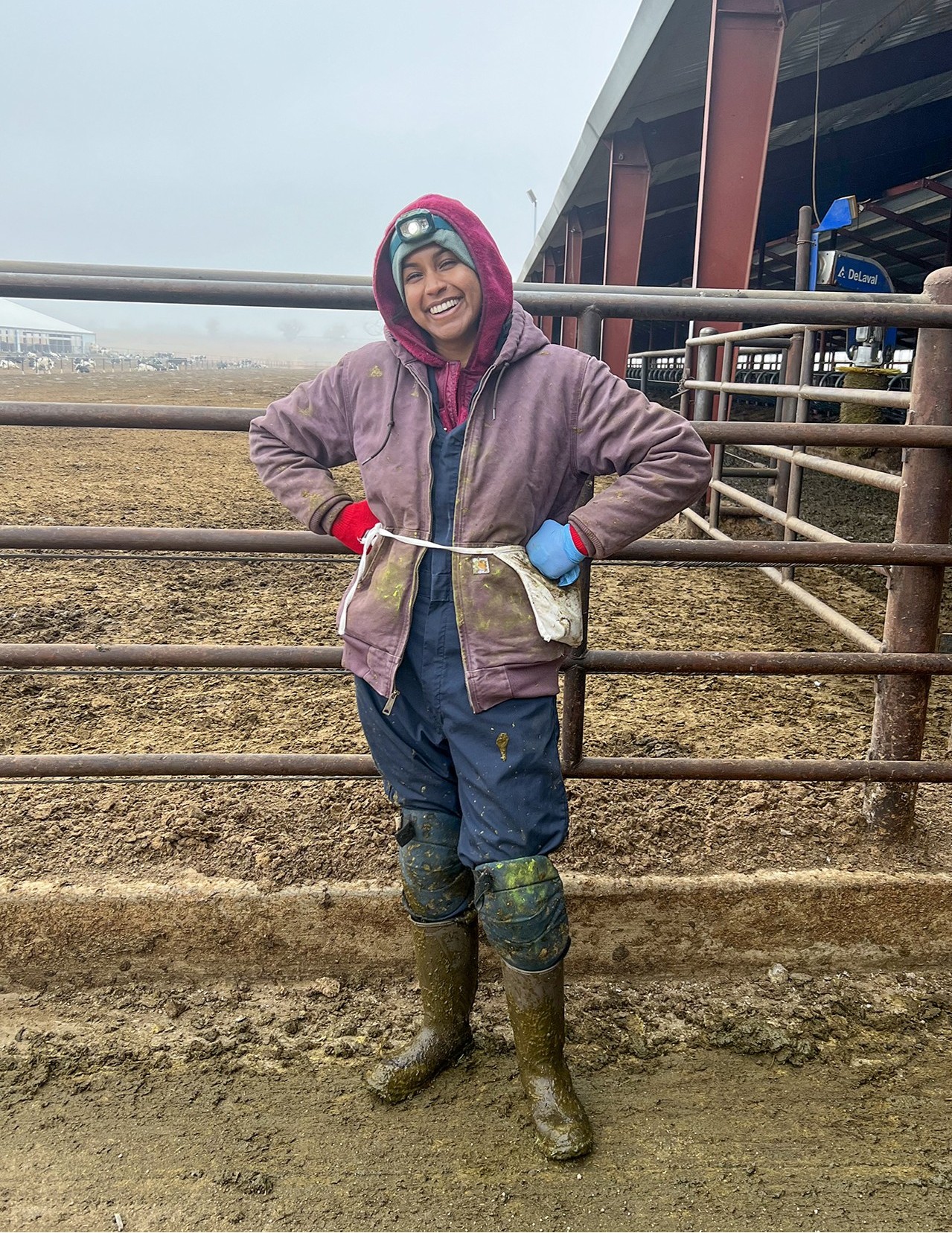
In summer 2025, Pallavi Oruganti, DVM ’22, MPH ’18, began a prestigious two-year fellowship with the Centers for Disease Control and Prevention (CDC) as an Epidemic Intelligence Service Officer (EIS) at the Colorado Department of Public Health and Environment. Prior to her fellowship, Oruganti worked as a Veterinary Medical Officer in the Animal and Plant Health Inspection Service for the U.S. Department of Agriculture.
She describes her EIS work as “human health oriented.” Still, she notes that it is a mix of disease-response efforts and participation in the day-to-day operations of public health programs, such as measles response, foodborne outbreak investigations, and the management of multidrug-resistant infections in hospitals. As a fellow, she also participates in the program’s training sessions focused on leadership and applied epidemiology.
“The MPH-VPH program is a great way to get more of those foundational skills that we need in public health,” she says. “I knew I wanted to have opportunities to engage in global health field work and be able to travel.”
For her program fieldwork, Oruganti conducted research in rural Nicaragua on the human-animal connection and child gut microbiome development. The other aspect she valued was the tremendous support she received from the program’s faculty.
“We were able to engage directly with our professors and our mentors,” she said. “They constantly emphasized, ‘How will you apply what you learn in the classroom to your career?’ That support was always there, and because the program was small, we built close connections as a class.”